

Blog Detail
The Future of UK Greyhound Racing What Happens When It’s Not On
The Future of UK Greyhound Racing: What Happens When It’s Not On
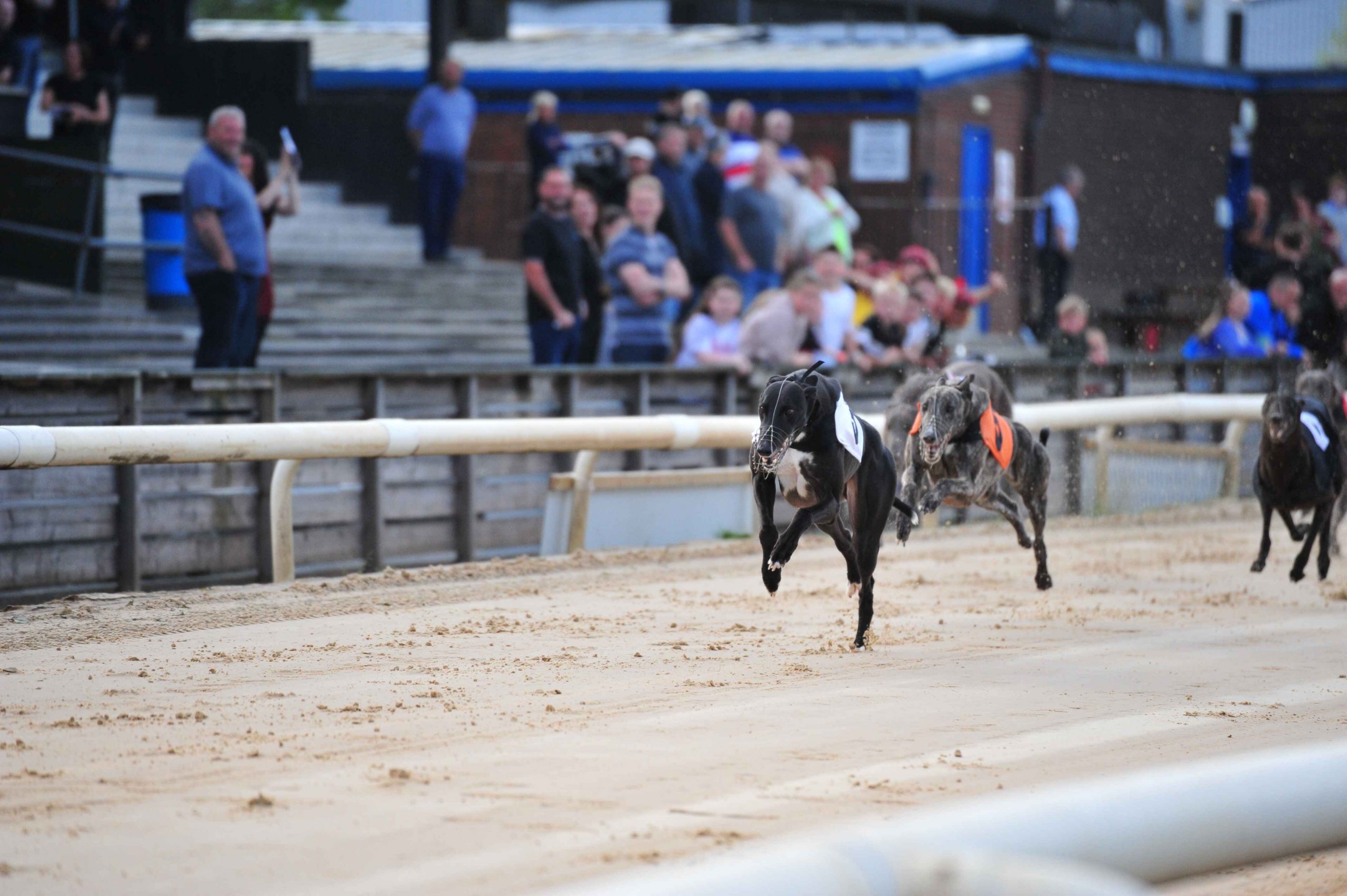
Greyhound racing has been a beloved part of British culture for decades, capturing the hearts of many with its thrilling events and vibrant atmosphere. However, in recent years, the sport has faced unique challenges, raising questions about its future. At times when UK greyhound racing is not on, a variety of factors come into play that impacts not just the sport but the community surrounding it, including owners, trainers, and fans. For more information about the greyhound community, visit UK Greyhound Racing Not on GamStop www.whippetgrey.co.uk.
The Historical Context of Greyhound Racing in the UK
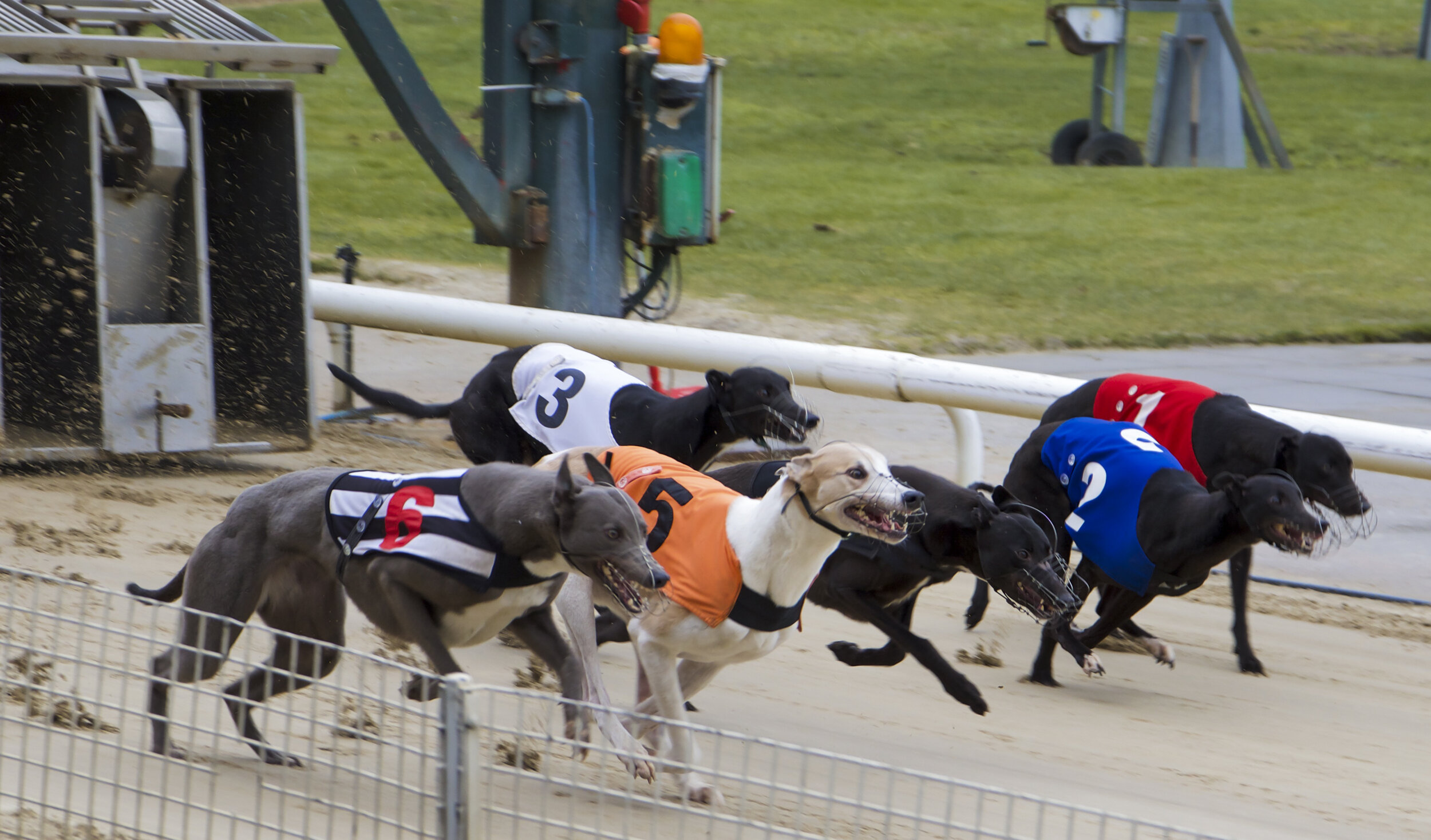
Greyhound racing traces its roots back to the 1920s in the UK, quickly evolving into a popular spectator sport. It operates through a system of tracks where trained dogs compete for cash prizes, making it an appealing event both for participants and betting enthusiasts. Earlier, the sport was celebrated for its speed and excitement, with arenas filled with fans cheering their favorites. However, shifts in societal values and debate surrounding animal welfare have started to alter perceptions about the sport.
Current Challenges Facing Greyhound Racing
While greyhound racing remains legal and continues to operate in parts of the UK, it is increasingly scrutinized. Issues concerning the treatment of the dogs, safety, and the ethics of racing have sparked significant debate. The landscape has been complicated further by the introduction of betting regulations and an increasing emphasis on animal welfare. During periods when races are not being held, these concerns come sharply into focus. Potential changes in legislation, public sentiment, and overall participation can significantly impact the future viability of the sport.
The Impact of Racing in Abeyance
When greyhound racing is not taking place, several factors become apparent. First and foremost, the dogs themselves require regular training and exercise, which isn’t feasible without the framework of competitive racing. This absence not only affects the well-being of the animals but also impacts trainers, owners, and the staff involved at the tracks. A shift in schedule means a loss of income for trainers and their teams who often depend on the racing calendar for financial sustainability.
Betting and Financial Implications
Betting is a crucial aspect of greyhound racing. Without races, the betting market suffers. The financial implications are far-reaching, impacting not only individual owners and trainers but also casinos, betting shops, and online platforms that rely on such events for revenue. The racing hiatus could lead to shifts in consumer habits as punters turn to alternative betting opportunities, posing a risk for the entire system.
Animal Welfare Considerations
During times when racing is not happening, the welfare of greyhounds comes to the forefront. Questions arise about the living conditions of the dogs, the need for ongoing care, and potential overpopulation in kennels. To combat negative perceptions, many racing organizations have started to promote adoption and rehabilitation programs for retired racing dogs. Such efforts serve a dual purpose: they aim to enhance the public image of the sport while also ensuring that the animals are cared for even when not racing.
Community Engagement and Support
The community surrounding greyhound racing is deeply engaged. Fans and local businesses often rally together during races, supporting trainers and bettors alike. However, when the sport is paused, it can lead to a disengagement from the sport among fans, potentially reducing future interest. It is crucial for racing bodies to maintain community ties, perhaps by organizing events or activities that keep the spirit of greyhound racing alive, even when there are no races. Fundraising events or fan meetups can keep engagement levels high and promote continued support.
Future Directions and Innovations
As the world changes, so too must the sport of greyhound racing adapt to survive. Innovations involving technology, training practices, and community engagement can lead to new and exciting directions. The use of digital platforms for virtual racing or simulated events has the potential to maintain engagement, particularly during hiatus periods. Additionally, enhancing transparency and focusing on the ethical treatment of animals can improve the sport’s image and encourage new fans, redefining what it means to participate in greyhound racing.
Conclusion: The Road Ahead
The future of UK greyhound racing hangs in a delicate balance. While challenges persist during times when racing is not on, there are also opportunities for growth and change. Addressing concerns about animal welfare, engaging creatively with communities, and adapting to modern technological advancements can help reshape the future landscape of the sport. By embracing innovation and placing a strong emphasis on ethics, UK greyhound racing can not only survive but thrive in a contemporary context.
Copyright © 2025 All rights reserved. | Designed By Edigital Technologies